Accessibility & 508 Integration
Integrating Section 508 and WCAG 2.1 requirements into the standard development workflow for a federal eLearning catalog delivered across LMS and mobile platforms.
The Problem
Existing courses had not been systematically reviewed for 508 or WCAG 2.1 compliance, nor were there any accessibility QA systems in place. Courses were often built first and evaluated afterward, which turned accessibility into a remediation exercise instead of a production standard.
The catalog also existed across two delivery environments with different constraints: a federal LMS and an iOS mobile app wrapper built around Storyline content. Some but not all WCAG requirements overlapped across platforms. Storyline’s mobile player, for example, lacked native support for persistent learner-controlled audio management despite WCAG 1.4.2 requirements.
At the same time, implementation practices varied across projects and developers. Alt text usage, focus order management, transcript handling, animation behavior, and decorative imagery decisions were often inconsistent because no shared operational framework existed for applying Section 508 and WCAG 2.1 standards inside the actual development workflow.
Building the Framework
I developed a production-facing accessibility framework designed specifically for Storyline-based federal eLearning. Instead of treating accessibility as a final review pass, the framework translated WCAG 2.1 and Section 508 requirements into repeatable implementation decisions used during development itself.
The system addressed both instructional and technical behaviors: when images required alt text versus suppression, how screen readers interacted with layered or animated content, how focus order should function in non-linear navigation structures, and how contrast standards applied across interface and instructional media.
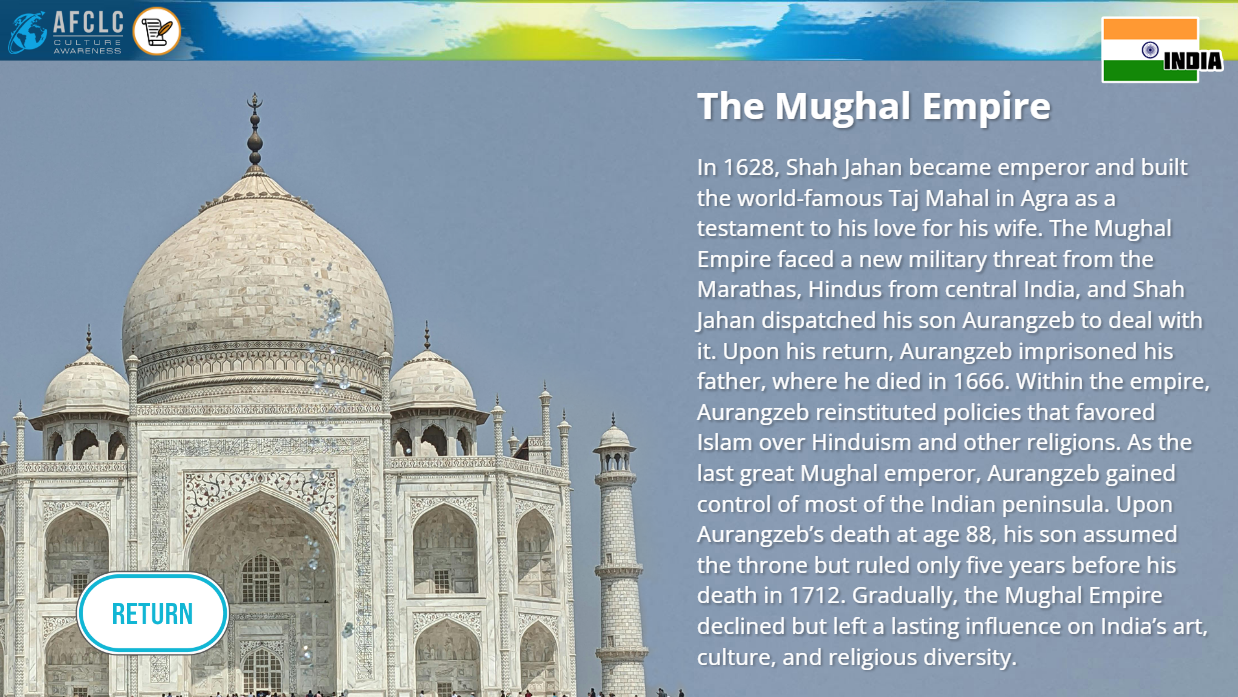
Before: Low text and button color contrast with background, no transcript available
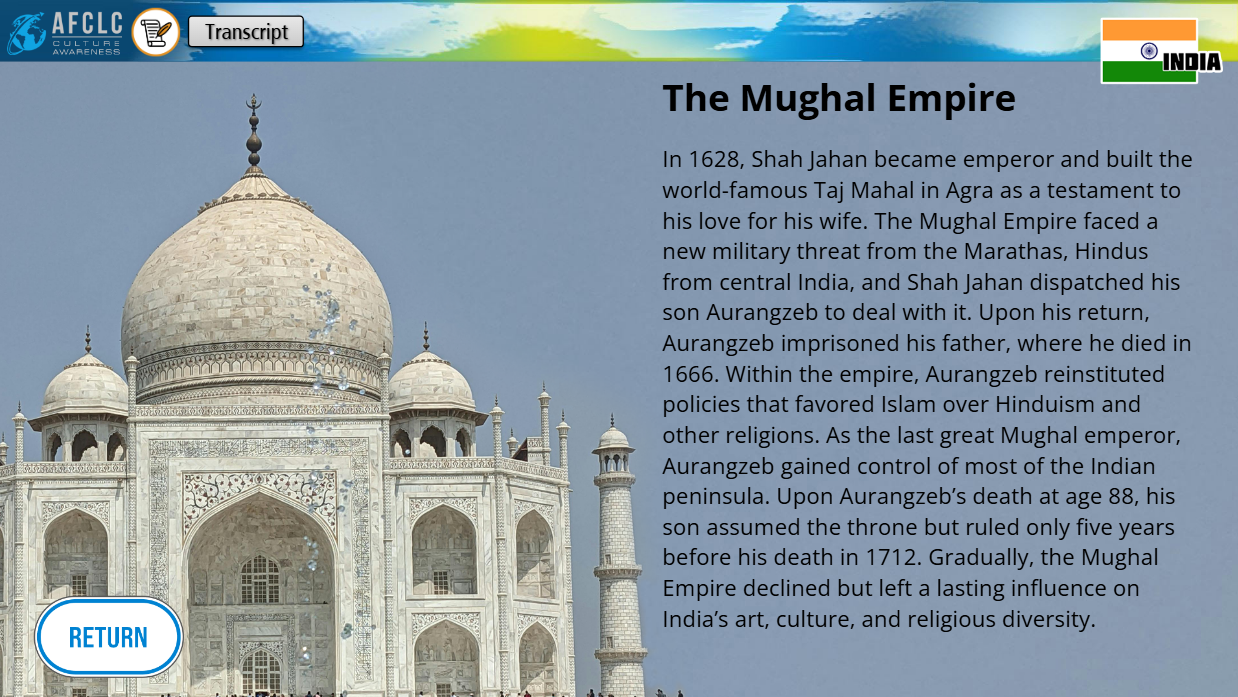
After: Color contrast corrected, custom transcript button added
Where platform limitations prevented native compliance behavior, I developed custom implementation solutions. The most technically complex example was audio control separate from device volume controls within the mobile app environment, which required a custom JavaScript-based mute system capable of persisting across course states and functioning within the app’s WebView wrapper.
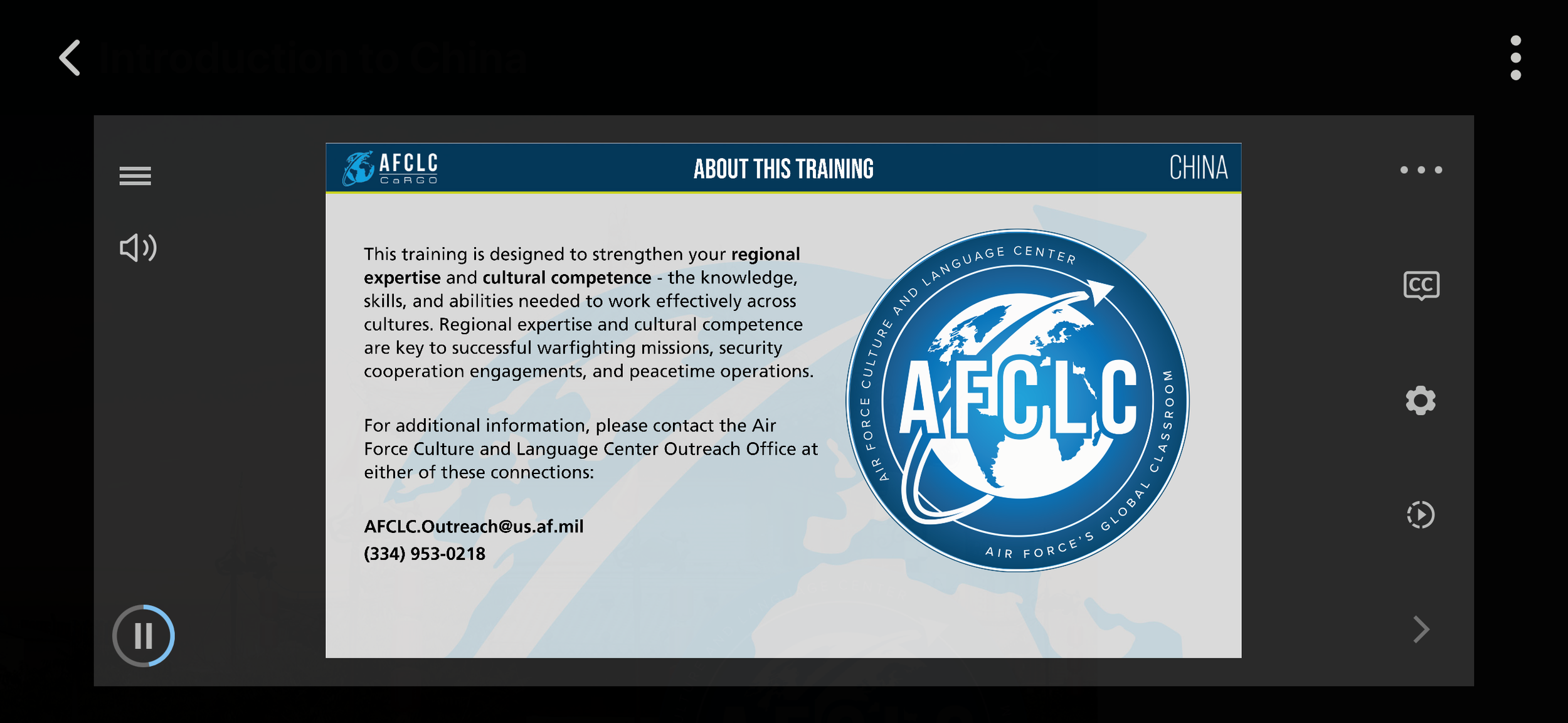
Custom in-player mute system for mobile delivery
The framework was then validated through manual testing across LMS and mobile environments and integrated into the broader CaRGO production workflow.
Outcomes
The accessibility framework became part of the standard development process across the catalog rather than an isolated remediation effort applied course by course.
Accessibility review moved earlier into production, reducing rework and making implementation decisions more consistent across developers and projects. The workflow also established clearer documentation standards for transcripts, focus order, contrast validation, and media handling during course development.
All twelve courses in the catalog were remediated to WCAG 2.1 Level AA and Section 508 standards, including mobile-delivery considerations that required custom implementation beyond Storyline’s native feature set.
Most importantly, accessibility stopped functioning as a downstream correction layer and became part of the underlying production architecture itself.