Culture Readiness for Global Operations
Redesigning the Air Force Culture and Language Center’s country-course architecture for scalability, consistency, and cross-platform delivery.
Overview
Culture Readiness for Global Operations (CaRGO) was a redesign of the Air Force Culture and Language Center (AFCLC) country-based course model, shifting legacy courses away from long-form, developer-dependent builds toward a more modular instructional structure designed for scalability, accessibility, analytics, and cross-platform delivery.
The Introduction to China course served as the first full implementation of that model.
Beyond updating visuals or interactions, the project required rethinking how content was structured, reviewed, delivered, and maintained across both LMS and mobile-app environments while keeping the material operationally relevant and instructionally consistent.
The Design Problem
Over time, the legacy country courses had developed inconsistent instructional structures, uneven interaction patterns, and highly variable production approaches across courses. SME involvement often occurred late in development, accessibility issues were frequently identified near the end of production, and learner engagement data remained limited.
At the same time, the courses needed to support AFCLC’s 12-domain cultural framework while functioning across both LMS and mobile-app environments for operational learners working under time and access constraints.
As a result, the redesign became less about updating individual slides and more about restructuring the broader instructional and production model.
Building a Repeatable Course Architecture
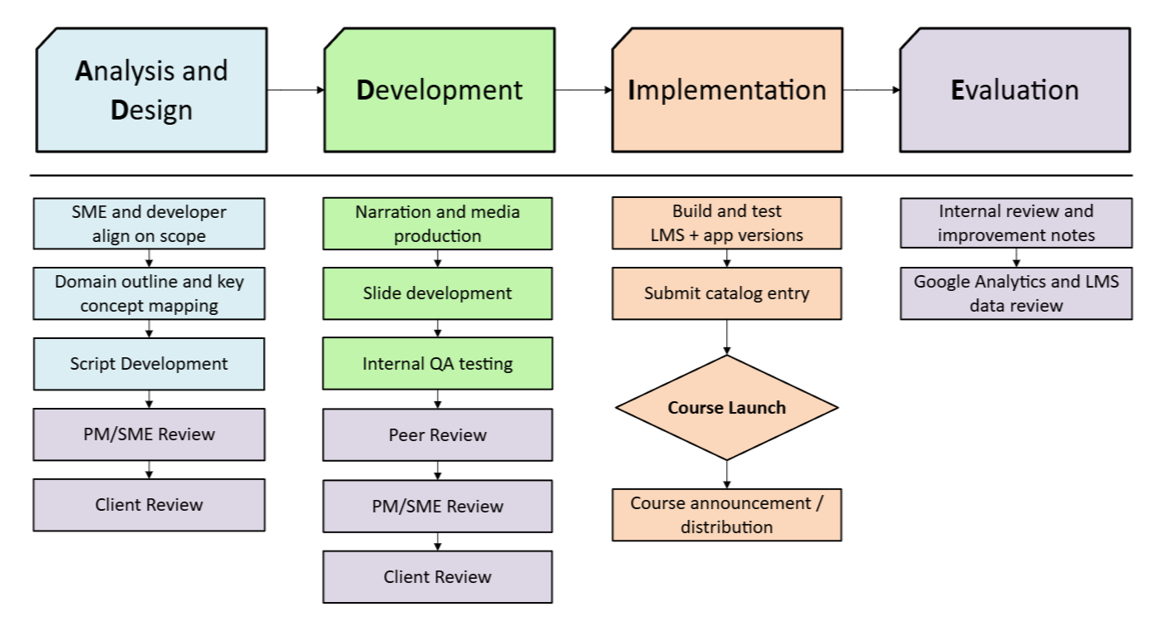
CaRGO was intended to function as more than a single course redesign. The project also served as a restructuring of the broader course-development process used for AFCLC country courses.
Legacy development workflows often varied significantly between courses depending on production timelines, review structure, and individual development approaches. The redesigned framework introduced more consistent instructional architecture, earlier SME integration, standardized interaction patterns, and structured review checkpoints across development stages.
The resulting process created a more modular and repeatable production model while allowing individual courses to adapt to different regions, themes, and operational contexts.
Applying the Model
Restructuring Learner Flow
The legacy courses introduced major concepts, domain structures, and foundational theory at the beginning of the course, requiring learners to process a large amount of abstract information before reaching country-specific content.
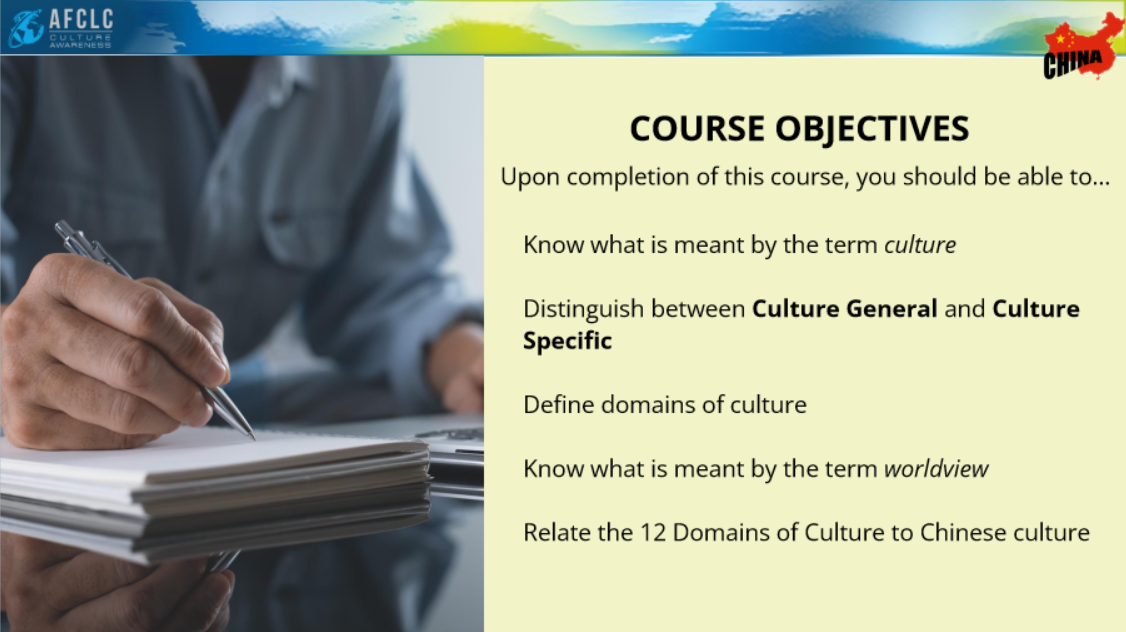
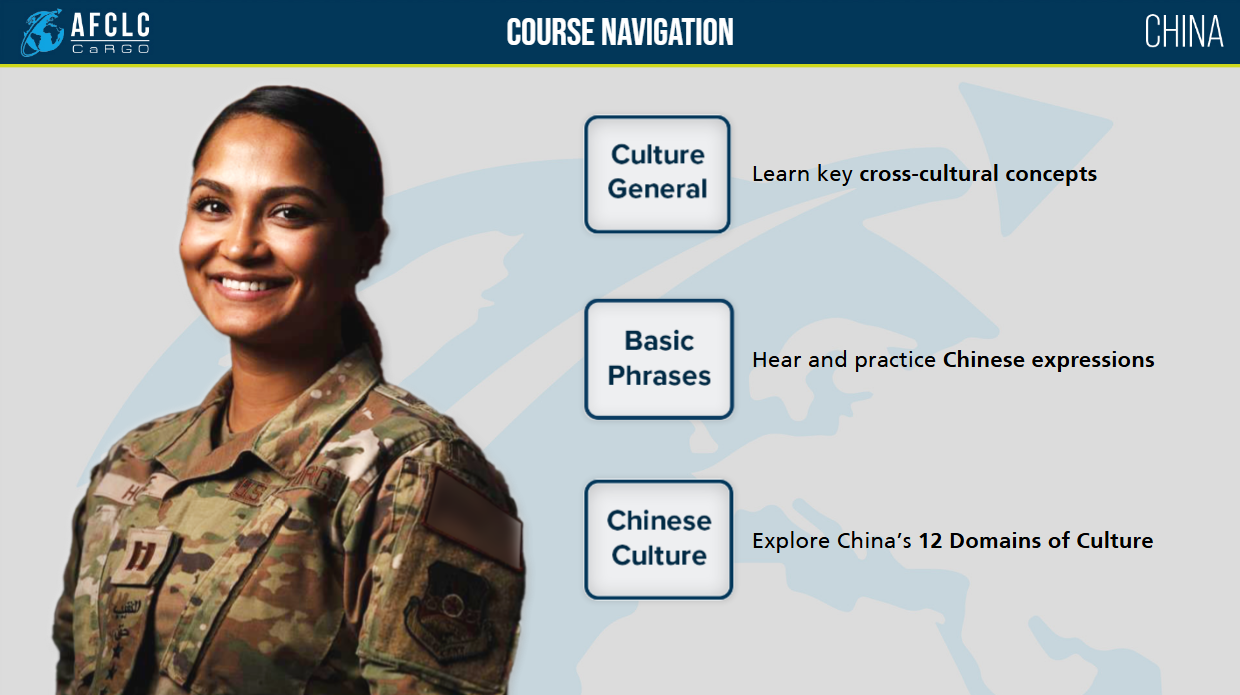
The redesigned structure shifted foundational content into modular learning paths with domain-level objectives, optional support content, and clearer progression between instructional segments.
Operational Framing
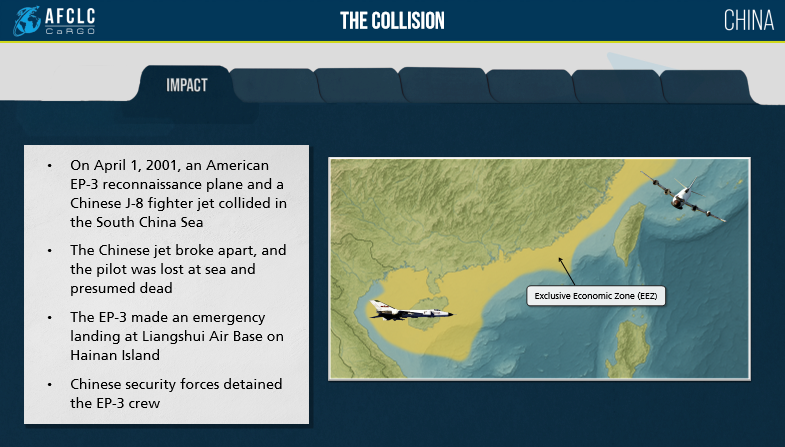
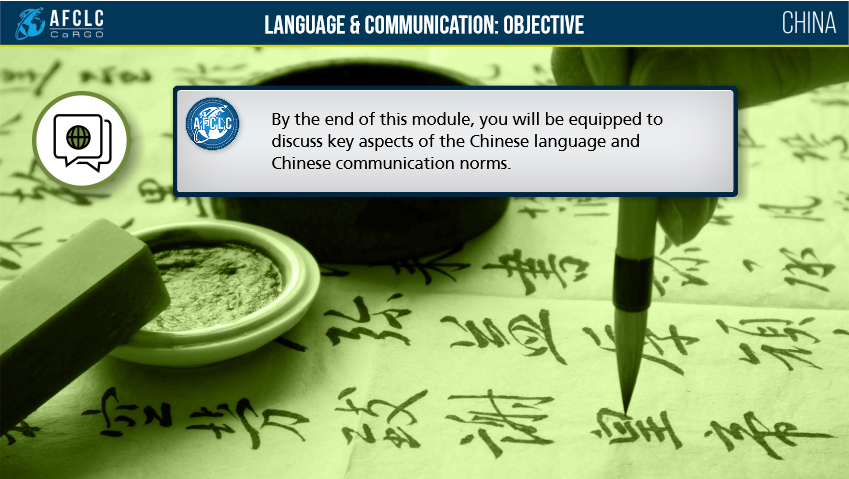
The course opened with an operational scenario designed to establish immediate relevance.
For China, the EP-3 collision incident provided an entry point for discussing political relations, sovereignty, communication norms, and strategic perspective through a concrete operational example rather than abstract exposition.
This approach helped anchor domain content within recognizable operational situations instead of presenting concepts in isolation.
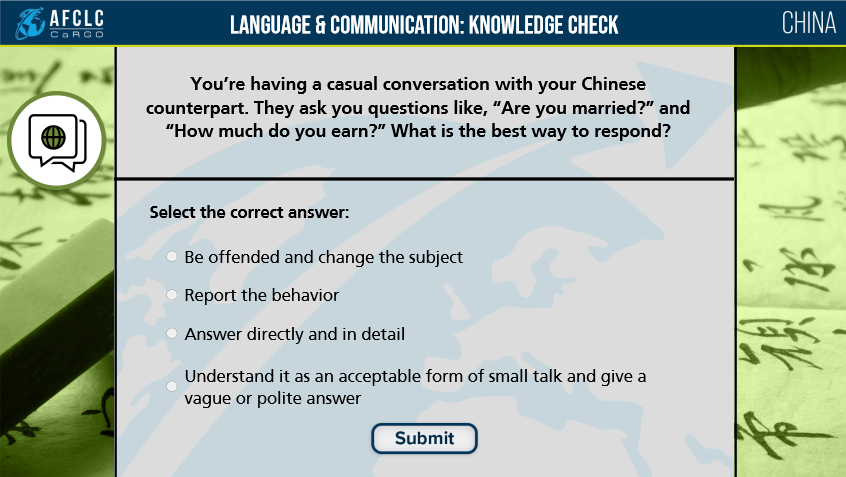
CaRGO shifted knowledge checks from isolated factual recall toward decision-making assessments tied to module objectives and practical application.
The framework also required separate optimization strategies for LMS and mobile-app delivery, reinforcing the need for modular interaction patterns and platform-aware implementation decisions during development.
Outcomes
The China implementation established a more modular and repeatable production framework for future CaRGO development. Earlier accessibility integration improved reviewability during production, while standardized workflows reduced dependency on individual development styles. The project also reinforced the need to align instructional implementation decisions with platform behavior, operational context, and learner flow rather than treating delivery environments as interchangeable.
Tools & Methods
Articulate 360 • Adobe Creative Suite • ElevenLabs • SME collaboration • Accessibility review • LMS/app testing • Google Analytics